

The trading card world has become more advanced and competitive, and collectors now rely on digital solutions like a Card Grading App to evaluate, organize, and understand the true value of their collections. With the rise of artificial intelligence and mobile technology, grading cards is no longer limited to expert-only services. Instead, collectors can access powerful AI tools that deliver fast, accurate, and data-driven insights directly from their devices. This transformation is making card collecting more efficient, transparent, and accessible than ever before.
What is a Card Grading App?
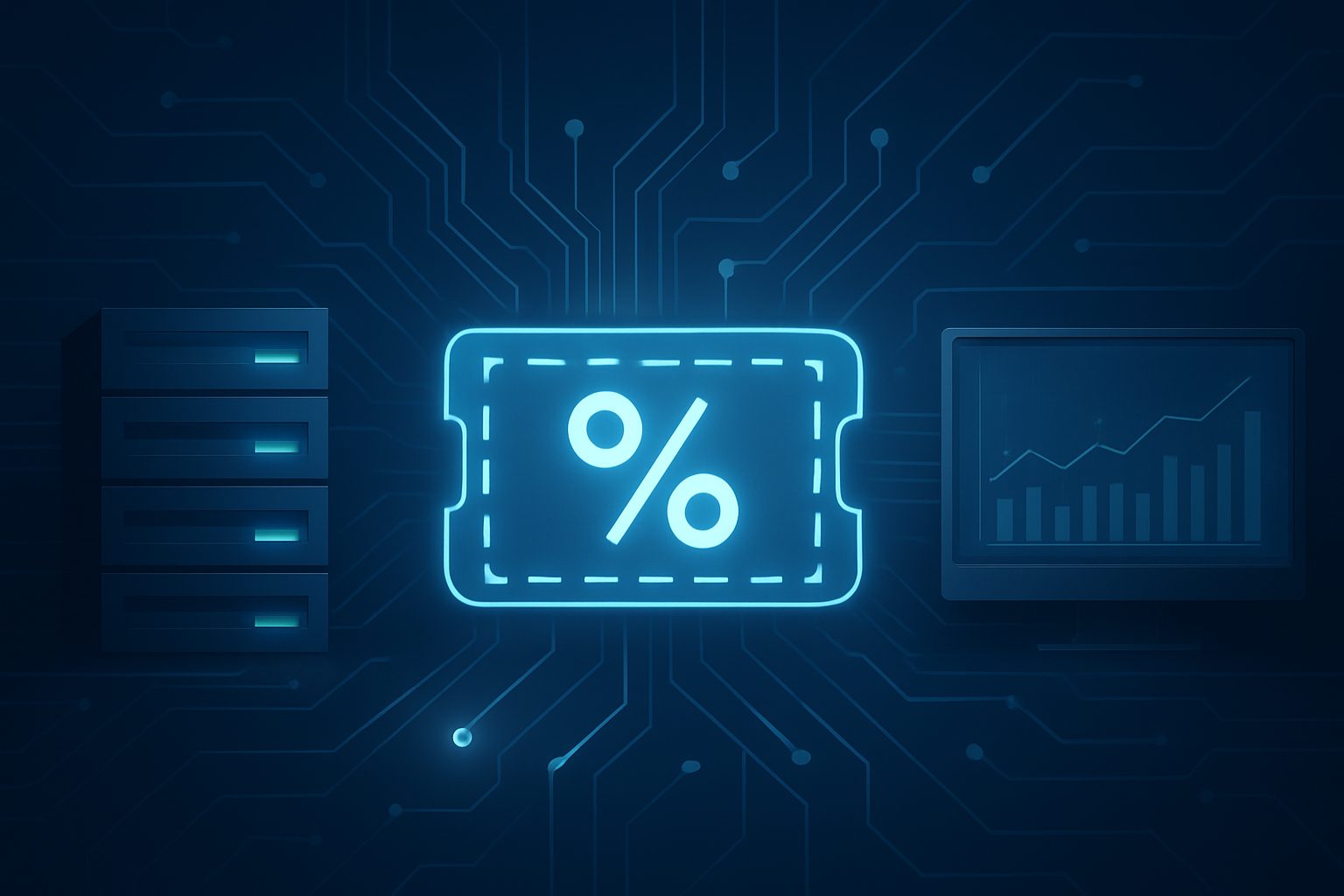
A Card Grading App is a digital platform designed to analyze trading cards and determine their condition using smart algorithms. It evaluates key factors such as surface quality, centering, corners, edges, and print clarity. Instead of relying only on manual inspection, the app uses AI-powered image analysis to identify imperfections and assign a condition score. This helps collectors quickly understand the quality of their cards without needing in-person grading services. It acts as a modern bridge between traditional grading systems and advanced digital technology.
How Do Advanced AI Tools Work?
Advanced AI tools inside grading apps use computer vision and machine learning to analyze card images in detail. When a user uploads a card photo, the system scans every part of the image and breaks it down into measurable grading categories. It detects scratches, bends, fading, and misalignment with high precision. Over time, machine learning models improve by learning from thousands of graded examples, which increases accuracy and consistency. These tools ensure that every card is evaluated using the same standards, reducing human bias and error.
Why Are AI Tools Important for Collectors?
Collectors often struggle to determine the true condition of a card, especially when small defects can significantly affect its market value. AI-powered grading tools solve this problem by offering objective and consistent evaluations. They help both beginners and experienced collectors make better decisions when buying, selling, or trading cards. Instead of guessing a card’s worth, users can rely on data-backed insights that reflect actual condition. This makes collecting safer and more strategic.
How Do These Apps Improve Card Organization?
Beyond grading, modern apps also help collectors manage their entire collection. Users can store digital records of their cards, track condition scores, and monitor changes in value over time. Some apps even categorize cards based on rarity, sport, or set type. This level of organization makes it easier for collectors to understand the overall strength of their collection. It also helps identify high-value cards that may have been overlooked in physical storage.
How Does AI Help in Value Prediction?
One of the most powerful features of a Card Grading App is its ability to estimate potential market value. By combining condition analysis with historical sales data, AI tools can predict how much a card might be worth in the current market. A higher-grade card typically means higher demand and better resale value. This helps collectors decide whether to hold, sell, or trade their cards at the right time. It also provides a clearer understanding of long-term investment potential within the hobby.
Future of Card Grading Technology?
The future of card grading is strongly tied to AI innovation and automation. As technology continues to improve, grading apps will become even more precise, offering near-instant evaluations with advanced detail recognition. Future systems may also integrate with online marketplaces, allowing real-time grading during transactions. With continuous development, AI tools will make card collecting more reliable, efficient, and data-driven. This evolution will help shape a new era where collectors can fully trust digital grading systems for accurate and consistent results.