
Shifting to sustainable options has gone from being a trend to a necessity in recent years. Among these, the conversation around recyclable plastics has gained significant momentum, with polypropylene (PP) recycling emerging as a key player. Polypropylene is widely used in various packaging and consumer goods, making it one of the most common plastics in circulation. However, the growing awareness of its recycling potential has elevated PP recycle role in promoting eco-friendly consumer habits.
This article dives into the benefits of polypropylene recycling and its ability to promote environmentally conscious consumer choices. Through key statistics and insights into its benefits, we’ll uncover how supporting PP recycling helps consumers make smarter, greener decisions.
What is Polypropylene Recycling?
Polypropylene is a widely used plastic, found in products ranging from food packaging to homeware. It is known for its durability, flexibility, and lightweight nature, making it a favorite for manufacturers. However, when disposed of irresponsibly, PP contributes to the growing issue of plastic waste.
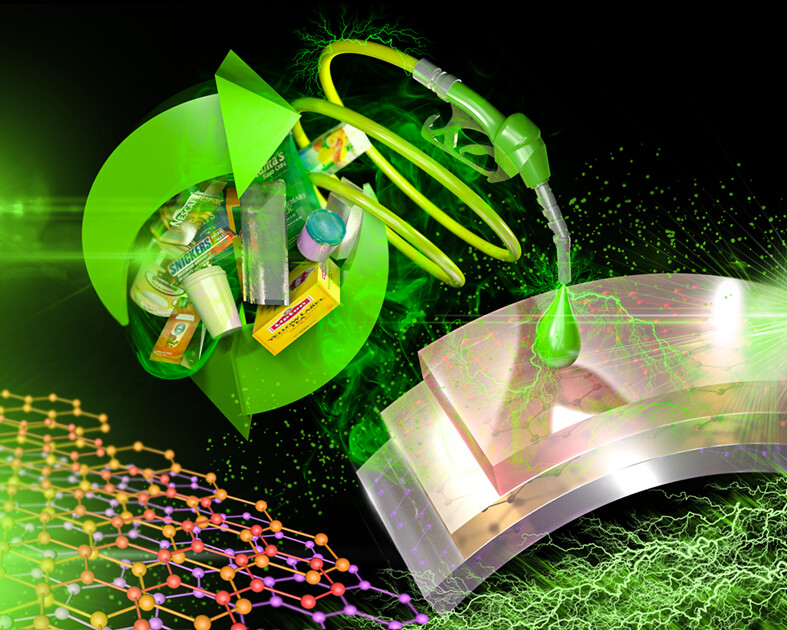
PP recycling involves the collection, processing, and reintegration of polypropylene into new products. This process allows for substantial environmental and economic benefits by reducing waste, conserving resources, and meeting increasing consumer demand for sustainability.
The Scope of Plastic Waste
The urgency for recycling polypropylene becomes apparent when you consider some alarming statistics. According to environmental reports, around 400 million tons of plastic waste is produced globally each year, and only about 9% of it is recycled. Single-use plastics make up a significant chunk of this waste, of which PP is a prominent contributor.
With global concerns mounting around marine pollution and microplastics ending up in food chains, the need for enhancing recycling systems has never been more critical. PP recycling represents an attainable solution in addressing part of this global challenge.
Benefits of Choosing PP Recycling
Conserving Natural Resources
One of the main benefits of PP recycling is its ability to conserve essential natural resources. By reprocessing polypropylene, industries can reduce the need for raw material extraction, such as crude oil and natural gas. These are finite resources that are often exploited to produce virgin plastic.
By choosing recycled PP, manufacturers and consumers alike support the preservation of natural reserves, lowering the environmental impact of new product creation.
Reducing Plastic Waste
Landfills and oceans around the globe are overflowing with plastic waste. Recycling polypropylene diverts a significant amount of plastic from landfills and reduces the strain on waste management systems. Additionally, since PP is a versatile material that can be recycled repetitively without losing much of its quality, it offers a viable long-term solution to curbing the waste crisis.
Recycling statistics show that adopting sustainable practices can prevent millions of tons of plastic from polluting our environment annually. Extending this effort to PP could further enhance the tangible results.
Decreasing Greenhouse Gas Emissions
Manufacturing virgin plastic is an energy-intensive process that significantly contributes to greenhouse gas emissions. By recycling PP, the energy required in production is drastically reduced. Studies reveal that producing products from recycled materials consumes up to 80% less energy compared to creating them from virgin resources.
This reduction translates to fewer carbon emissions, helping combat climate change. Consumers who support recycled PP indirectly contribute to lowering their personal carbon footprint.